




Philadelphia's four-season climate puts extreme stress on heating and cooling equipment. Summer humidity regularly exceeds 70 percent, forcing air conditioning systems to work overtime removing moisture while cooling homes. Winter temperatures drop below freezing for weeks at a time, pushing furnaces and heat pumps to their operational limits. The freeze-thaw cycle that defines Philadelphia winters creates moisture infiltration problems that affect ductwork and ventilation systems in older rowhomes and new construction alike.
The city's housing stock adds another layer of complexity. Philadelphia has more rowhomes per capita than almost any major city. These attached structures share walls, creating unique airflow challenges and making proper HVAC sizing critical. Many homes in neighborhoods like Fishtown, Queen Village, and Graduate Hospital were built before central air existed. Retrofitting modern systems into century-old structures requires knowledge of both historic construction methods and current building codes.
Philadelphia sits in a transition zone where climate conditions shift rapidly. A system that works perfectly in spring may struggle by August when humidity combines with 95-degree heat. Winter brings the opposite problem when single-digit temperatures test even new equipment. This constant swing between extremes means Philadelphia HVAC systems need expert installation, regular maintenance, and technicians who understand local conditions.
Elite HVAC Philadelphia built our reputation responding to emergency calls across every Philadelphia neighborhood. We understand the panic when your AC quits during a heat wave or your furnace fails on a January night. Our dispatch system prioritizes emergency calls, and our technicians carry fully stocked trucks to complete most repairs in a single visit. We serve Philadelphia 24 hours a day, 365 days a year, because HVAC emergencies don't follow business hours.
Our technicians train specifically on the challenges Philadelphia presents. They know how to navigate tight basement stairs in South Philly rowhomes. They understand the ductwork limitations in converted industrial lofts in Northern Liberties. They recognize when old steam radiator systems can integrate with modern central air and when they cannot. This local knowledge prevents the costly mistakes that happen when out-of-town companies try to apply generic solutions to Philadelphia-specific problems.
We price our services transparently. Before starting any repair, we provide a clear estimate. No surprise charges appear on your invoice. We explain exactly what failed, why it failed, and what we need to do to fix it permanently. If multiple repair options exist, we present them with honest recommendations about which approach makes financial sense. Our goal is earning your trust for the long term, not maximizing profit on a single service call.
Elite HVAC Philadelphia maintains licensing and insurance that meets every Philadelphia and Pennsylvania requirement. Our technicians hold EPA certifications for refrigerant handling. We pull permits when code requires them. We understand Philadelphia's L&I inspection processes and ensure our work passes the first time. When we install or repair your system, you can verify we did it right and did it legally.

Our emergency line connects you to a real dispatcher, not an answering service. We dispatch technicians around the clock from our Philadelphia location. When you call at 2 AM because your heat failed, a certified HVAC tech heads to your home within the hour, ready to diagnose and repair the problem.

We stock our trucks with the parts that fail most often in Philadelphia's climate. Capacitors, contactors, thermostats, ignitors, and refrigerant stay organized and ready. This preparation means we complete most repairs during the first visit instead of ordering parts and scheduling a return trip days later when you're still without heating or cooling.
We diagnose the problem, explain what failed and why, then provide a clear written estimate before touching a single tool. You approve the price before we start work. No hidden fees appear on your invoice. If we discover additional problems during the repair, we stop and get your approval before proceeding.
Our technicians train on the specific challenges Philadelphia buildings present. We know how to work in cramped rowhome basements. We understand the airflow problems in converted warehouses. We recognize which vintage systems can upgrade and which need complete replacement. This local knowledge prevents the expensive mistakes that happen when companies try generic solutions.
Elite HVAC Philadelphia handles every heating and cooling need for residential and commercial properties across the city. We repair and maintain all major brands and system types, from basic split systems to complex multi-zone installations. Our service range covers emergency breakdowns, planned maintenance, system upgrades, and complete replacements. We work on furnaces, boilers, heat pumps, central air conditioning, ductless mini-splits, and commercial rooftop units.
Our technicians carry diagnostic equipment that identifies problems quickly. We don't guess and replace parts hoping to stumble on the solution. We test voltage, measure refrigerant pressures, check airflow, and analyze system performance until we pinpoint exactly what failed. This methodical approach saves you money by fixing the actual problem instead of replacing components that still work fine.
Philadelphia's climate demands both heating and cooling expertise. A company that only handles AC service will struggle when your furnace quits in January. We maintain expertise across both disciplines because Philadelphia requires both. Whether your issue involves refrigerant leaks, failed compressors, cracked heat exchangers, or malfunctioning control boards, our technicians bring the knowledge and tools to diagnose and repair it correctly.
HVAC emergencies happen without warning. Your air conditioner quits during a heat wave. Your furnace fails when temperatures drop below freezing. Elite HVAC Philadelphia responds to emergency calls 24 hours a day across all Philadelphia neighborhoods. We dispatch certified technicians who arrive with fully stocked trucks ready to diagnose and repair most problems during the first visit. When your comfort and safety depend on immediate service, we deliver.
Installing a new heating or cooling system requires precise sizing calculations, proper ductwork design, and skilled installation. Elite HVAC Philadelphia performs load calculations specific to your home's size, insulation, and Philadelphia's climate. We recommend equipment that matches your needs without oversizing or undersizing. Our installers follow manufacturer specifications exactly, ensuring your new system operates at peak efficiency and qualifies for all warranties and rebates available.
Regular maintenance extends equipment life and prevents expensive breakdowns. Our maintenance programs include seasonal tune-ups that clean components, test refrigerant levels, inspect electrical connections, and verify safe operation. We catch small problems before they become emergency repairs. Program members receive priority scheduling, discounted service rates, and the peace of mind that comes from knowing their system gets professional attention before summer heat or winter cold arrives.
Philadelphia's demanding climate and diverse housing stock create predictable HVAC problems. The combination of extreme summer humidity and winter cold stresses equipment beyond what milder climates experience. Systems that would last 20 years in moderate climates often fail after 12 to 15 years in Philadelphia. Understanding these common problems helps homeowners recognize warning signs before minor issues become major failures.
Older Philadelphia neighborhoods face unique challenges. Many rowhomes in South Philadelphia, Bella Vista, and East Passyunk were built with no air conditioning and minimal insulation. Adding central air to these structures requires creative ductwork solutions. Poor installations create hot spots, cold spots, and inefficient operation. Commercial buildings converted to residential lofts present similar challenges when developers install inadequate HVAC systems to save money during renovation.
Deferred maintenance causes many emergency calls we receive. Homeowners skip annual tune-ups until their system fails completely. What could have been a simple capacitor replacement becomes a full compressor failure. What could have been a cleaned condensate drain becomes water damage when the overflow pan rusts through. Regular professional maintenance costs far less than emergency repairs, but many homeowners learn this lesson the expensive way.
Philadelphia summer humidity regularly exceeds 70 percent. Air conditioners must remove moisture while cooling, doubling the workload. Undersized systems run constantly without achieving comfort. Dirty coils reduce dehumidification capacity. Refrigerant leaks prevent proper moisture removal. The result is a cold but clammy house where mold thrives and comfort suffers despite high electric bills.
Ice building on indoor coils completely blocks airflow. Low refrigerant from leaks causes freezing. Dirty filters restrict airflow and drop coil temperature below freezing. Failed blower motors reduce air movement across coils. Once ice forms, the system cannot cool until the ice melts completely. Repeated freezing damages components and wastes energy while delivering zero cooling.
Furnace heat exchangers develop cracks from repeated heating and cooling cycles. Philadelphia's cold winters force furnaces to cycle frequently, accelerating metal fatigue. Cracks allow combustion gases including carbon monoxide to enter your home's air supply. This silent danger causes headaches, nausea, and death. Annual furnace inspections catch cracks before they become life-threatening emergencies.
Many Philadelphia homes have improperly sized HVAC equipment. Contractors install whatever fits the budget or available space rather than performing proper load calculations. Undersized air conditioners run nonstop on hot days without cooling adequately. Undersized furnaces struggle to maintain temperature when Philadelphia temperatures drop below 20 degrees. The system works constantly, wears out quickly, and never achieves comfort.
Elite HVAC Philadelphia built our business on clear communication and reliable service. When you call our office or emergency line, a real person answers and gathers information about your problem. We ask questions that help us dispatch the right technician with the right equipment. For emergency calls, we provide an estimated arrival time and call if delays occur. For scheduled appointments, we confirm the day before and call when the technician is 30 minutes away.
Our technicians arrive in marked trucks wearing company uniforms and carrying identification. They protect your floors with shoe covers and drop cloths. Before starting diagnosis, they listen to your description of the problem. They ask clarifying questions. They take your concerns seriously instead of dismissing what you noticed. This conversation often provides clues that speed diagnosis.
We believe you deserve to understand what happened to your system and what we recommend doing about it. Our technicians explain problems in plain language without unnecessary jargon. They show you the failed component when possible. They explain why it failed and what happens if you delay repair. If multiple solutions exist, they present options with honest advice about which approach makes the most sense for your situation and budget.
Emergency calls get immediate dispatch. Scheduled service happens within the timeframe we promise. Our technicians carry diagnostic equipment that identifies problems quickly and accurately. They test voltage, measure pressures, check airflow, and analyze performance data. They don't guess. They don't replace parts hoping to stumble on the solution. They identify the actual problem through systematic testing, then explain exactly what failed and why.
After diagnosing the problem, our technician provides a written estimate that details the repair cost. You see exactly what you're paying for before we touch a tool. No surprise charges appear later. If we discover additional problems during the repair, we stop and get your approval before proceeding. You control the decision about what gets fixed and when. We never pressure you into unnecessary repairs or upgrades.
We guarantee our repairs and installations. If a problem reoccurs related to our work, we return and make it right at no additional charge. After completing service, we test system operation thoroughly before leaving. We show you how to operate new equipment or controls. We answer your questions. A few days after service, we follow up to confirm everything works correctly and you're satisfied with the results.
Elite HVAC Philadelphia keeps the service process simple and transparent. From your first call to final system testing, you know exactly what happens next and when it will happen.
Call our main line at (215) 610-9099 or emergency line anytime. We gather information about your problem and location. For emergencies, we dispatch a technician immediately with an estimated arrival time. For scheduled service, we book an appointment at your convenience. We call 30 minutes before arrival so you're not waiting around all day wondering when we'll show up.
Our technician arrives prepared with tools and diagnostic equipment. They listen to your description, inspect your system, and perform systematic testing to identify the exact problem. Once they determine what failed, they explain the issue in clear terms and provide a written estimate. You approve the price before any repair work begins. No surprises.
After you approve the estimate, we complete the repair efficiently. We test the system thoroughly to verify it operates correctly and safely. We clean up our work area and show you what we repaired. We answer any questions about operating your system or preventing future problems. You receive an invoice that matches the estimate you approved.
Professional HVAC service in Philadelphia requires knowledge of multiple code standards and technical requirements. The International Mechanical Code adopted by Philadelphia governs installation standards. The International Residential Code covers residential HVAC requirements. The International Fuel Gas Code regulates gas furnace and boiler installations. These codes protect homeowners by ensuring safe, efficient installations that perform as designed.
Philadelphia Department of Licenses and Inspections requires permits for most HVAC installations and major repairs. Contractors must pull permits before installing new systems, replacing furnaces or air conditioners, or modifying existing ductwork. L&I inspectors verify installations meet code requirements. Homeowners should verify their contractor obtained required permits. Unpermitted work creates liability issues if problems occur and can complicate home sales when inspection reports reveal unpermitted installations.
Refrigerant handling requires EPA certification under Section 608 of the Clean Air Act. Technicians must hold appropriate certification levels for the systems they service. Type I certification covers small appliances. Type II covers high-pressure refrigerants common in residential air conditioning. Type III covers low-pressure refrigerants used in some commercial systems. Universal certification covers all types. Uncertified technicians cannot legally purchase or handle refrigerants. Proper refrigerant recovery prevents environmental damage and complies with federal regulations that carry significant penalties for violations.
Load calculations determine proper HVAC system sizing. Manual J calculations account for home square footage, insulation levels, window area, orientation, and local climate data. These calculations prevent the undersizing and oversizing that plague Philadelphia homes. Oversized systems short cycle, reducing efficiency and comfort while increasing wear. Undersized systems run constantly without achieving comfort. Professional installation includes proper load calculations specific to your home rather than guessing based on square footage alone.
Philadelphia adopted the International Mechanical Code and International Residential Code with local amendments. These codes specify minimum efficiency standards, required clearances, venting requirements, and safety controls. All HVAC installations must meet current code regardless of what existed previously. Permit applications require code-compliant plans. Inspections verify actual installations match approved plans and meet safety standards.
Proper sizing requires Manual J load calculations specific to your home. Equipment efficiency affects operating costs significantly over system lifetime. SEER ratings measure cooling efficiency. AFUE ratings measure heating efficiency. Higher ratings cost more upfront but reduce monthly utility bills. Philadelphia's climate and electric rates typically justify mid to high efficiency equipment that pays back the initial investment through lower operating costs.
Simple AC repairs take one to three hours. Furnace repairs average two to four hours depending on the problem. Complete system replacements typically require one to two days for residential installations. Complex installations in older homes may take longer if ductwork modifications or electrical upgrades are necessary. We provide realistic timelines during estimation and communicate promptly if unexpected complications arise.
Manufacturer warranties cover equipment defects. Labor warranties cover our installation work. Warranty terms vary by manufacturer and equipment type. We explain warranty coverage before you purchase equipment. Extended warranties are available for most brands. We honor all warranties and handle manufacturer warranty claims on your behalf. Our workmanship guarantee ensures we stand behind our repairs and installations.
Expert overview of HVAC repair, maintenance, and installation services for Philadelphia homeowners. Covers common system failures caused by Philadelphia's climate including humidity problems, frozen coils, heat exchanger cracks, and improper sizing. Explains diagnostic procedures, repair processes, and maintenance programs that prevent emergency breakdowns. Details Philadelphia building codes, permit requirements, and proper installation standards for residential heating and cooling systems.
Elite HVAC Philadelphia serves residential and commercial customers throughout Philadelphia and surrounding communities. Our service area covers every neighborhood from the Northeast to South Philadelphia, from West Philadelphia to the riverfront districts along the Delaware. We respond to calls in Center City high-rises, Chestnut Hill estates, Fishtown rowhomes, and everything between.
South Philadelphia presents unique HVAC challenges with its dense concentration of attached rowhomes. Neighborhoods like East Passyunk, Bella Vista, and Pennsport feature century-old construction that requires creative solutions when installing modern heating and cooling systems. Our technicians understand how to navigate tight basements, work around existing plumbing and electrical, and install ductwork in homes never designed for central air. We serve Italian Market residents, sports complex workers, and families in the tree-lined streets west of Broad Street.
Northern Liberties and Fishtown transformed from industrial areas to residential neighborhoods over the past two decades. Converted warehouses and new construction condos present different challenges than traditional homes. High ceilings, open floor plans, and modern construction require properly sized systems and careful zone planning. We work with property managers and homeowners throughout these rapidly evolving neighborhoods, from the waterfront developments near Penn Treaty Park to the residential streets around Girard Avenue.
West Philadelphia's diverse housing stock ranges from University City apartments to the Victorian homes of Spruce Hill and Woodland Terrace. College students, university employees, families, and long-term residents all depend on reliable heating and cooling. We service rental properties, owner-occupied homes, and small commercial buildings throughout West Philly. Our familiarity with the area means we arrive prepared for the specific construction styles and HVAC configurations common to neighborhoods around Drexel, Penn, and beyond.
The Northeast encompasses huge residential areas like Mayfair, Rhawnhurst, and Fox Chase. These neighborhoods feature predominantly single-family homes with more space for HVAC equipment than dense city neighborhoods. We handle both routine maintenance and emergency repairs across the Northeast, from homes near Roosevelt Boulevard to properties bordering Bucks and Montgomery Counties. Our service extends into surrounding communities including Bensalem, Cheltenham, and nearby suburbs where Philadelphia residents live and work.
The $5000 rule is a simple guideline for deciding whether to repair or replace your HVAC system. Multiply the age of your equipment by the repair cost. If the total exceeds $5000, replacement makes more financial sense. For example, if your 15-year-old furnace needs a $400 repair, that equals $6000, which suggests replacement. In Philadelphia, where humid summers and freezing winters stress aging equipment, this rule helps homeowners avoid throwing money at failing systems. It factors in efficiency losses and the likelihood of repeated breakdowns as units age.
HVAC technicians in Philadelphia earn between $45,000 and $75,000 annually, depending on experience and specialization. Entry-level techs start around $40,000, while seasoned professionals with EPA certifications and commercial experience can exceed $80,000. Philadelphia's diverse building stock, from historic rowhomes in Fishtown to modern commercial towers in Center City, creates steady demand for skilled technicians. Union positions often pay higher wages with better benefits. Specializing in commercial refrigeration or complex control systems typically commands premium rates. The climate demands year-round service work, which provides stable employment compared to seasonal markets.
Average HVAC jobs in Philadelphia range from simple repairs to full system replacements. Basic service calls for filter changes or thermostat issues typically run a few hundred dollars. Compressor replacements or ductwork repairs fall in the mid-range. Full system replacements for residential properties represent the highest investment. Variables include equipment brand, home size, existing ductwork condition, and accessibility. Philadelphia's older housing stock often requires additional work like asbestos abatement or electrical upgrades. Get multiple quotes and verify the scope includes permits, disposal fees, and warranty coverage before committing.
The $5000 rule is a simple guideline for deciding whether to repair or replace your HVAC system. Multiply the age of your equipment by the repair cost. If the total exceeds $5000, replacement makes more financial sense. For example, if your 15-year-old furnace needs a $400 repair, that equals $6000, which suggests replacement. In Philadelphia, where humid summers and freezing winters stress aging equipment, this rule helps homeowners avoid throwing money at failing systems. It factors in efficiency losses and the likelihood of repeated breakdowns as units age.
HVAC technicians in Philadelphia earn between $45,000 and $75,000 annually, depending on experience and specialization. Entry-level techs start around $40,000, while seasoned professionals with EPA certifications and commercial experience can exceed $80,000. Philadelphia's diverse building stock, from historic rowhomes in Fishtown to modern commercial towers in Center City, creates steady demand for skilled technicians. Union positions often pay higher wages with better benefits. Specializing in commercial refrigeration or complex control systems typically commands premium rates. The climate demands year-round service work, which provides stable employment compared to seasonal markets.
Average HVAC jobs in Philadelphia range from simple repairs to full system replacements. Basic service calls for filter changes or thermostat issues typically run a few hundred dollars. Compressor replacements or ductwork repairs fall in the mid-range. Full system replacements for residential properties represent the highest investment. Variables include equipment brand, home size, existing ductwork condition, and accessibility. Philadelphia's older housing stock often requires additional work like asbestos abatement or electrical upgrades. Get multiple quotes and verify the scope includes permits, disposal fees, and warranty coverage before committing.
The 3-minute rule prevents short cycling that damages your AC compressor. After shutting off your air conditioner, wait at least three minutes before restarting it. This pause allows refrigerant pressure to equalize throughout the system. Restarting too quickly forces the compressor to work against high pressure, which strains components and shortens equipment life. In Philadelphia's humid climate, where AC units run hard from June through September, following this rule protects your investment. If your system short cycles on its own, you have a problem requiring professional diagnosis immediately.
For 2025, HVAC systems qualifying for federal tax credits must meet specific efficiency standards. Central air conditioners need a minimum SEER2 rating, heat pumps require higher HSPF2 ratings, and furnaces need AFUE percentages above baseline thresholds. The Inflation Reduction Act extends credits for Energy Star certified equipment. In Philadelphia, heat pumps qualify for higher credits due to both heating and cooling benefits. Gas furnaces meeting efficiency standards also qualify. Always verify equipment specifications before purchase and save manufacturer certifications for tax filing. Consult a tax professional for specific credit amounts and eligibility.
Replacing an entire HVAC system in Philadelphia depends on home size, equipment tier, and existing infrastructure. A complete residential replacement includes furnace or heat pump, air handler, condenser unit, thermostat, and labor. Philadelphia rowhomes with limited mechanical space may need creative solutions that affect pricing. Older homes often require ductwork modifications, electrical upgrades, or gas line work. High-efficiency equipment costs more upfront but reduces utility bills significantly. Expect the process to take one to three days. Always get detailed written estimates that include permits, disposal, and startup testing before proceeding.
Commercial HVAC technicians, particularly those working on large chiller systems, command the highest pay. Industrial refrigeration specialists and those certified for complex building automation systems also earn premium wages. In Philadelphia, technicians serving hospitals, university campuses like Penn or Temple, and pharmaceutical facilities in the Navy Yard area typically see top compensation. Sheet metal workers who fabricate custom ductwork earn strong wages. Master-level techs who diagnose complicated control systems and supervise installations also rank highly. Specialization, manufacturer certifications, and commercial experience separate average earners from top-tier professionals.
HVAC schooling ranges from moderately challenging to demanding, depending on your learning style and math comfort. You will study thermodynamics, electrical circuits, refrigeration cycles, and airflow principles. Hands-on labs balance classroom theory. The electrical and refrigerant handling components require precision and safety awareness. Most students find practical installation easier than theoretical coursework. Pennsylvania technical schools structure programs for students with high school diplomas or equivalents. If you struggled with basic algebra or science, expect to work harder. Trade math differs from academic math. Dedication matters more than natural ability for most students.
HVAC school in Pennsylvania typically takes six months to two years, depending on program type. Certificate programs at technical schools like Orleans Technical College or Pennco Tech run six to twelve months for focused training. Associate degree programs take two years and include broader HVAC education plus general studies. Apprenticeships through unions like Local 19 combine classroom hours with paid on-the-job training over four to five years. Philadelphia area students have multiple options from Center City to surrounding counties. Evening and weekend programs accommodate working students. EPA certification testing happens separately but often integrates into formal programs.
Installing HVAC for a 2000 square-foot house in Philadelphia depends on system type, efficiency rating, and home layout. A mid-efficiency gas furnace with central air represents the baseline scenario. High-efficiency heat pumps cost more upfront but eliminate separate heating and cooling equipment. Philadelphia rowhomes, twins, and detached homes each present different installation challenges. Two-story homes need properly balanced ductwork for even comfort. Older properties may need duct sealing or insulation upgrades for optimal performance. Variables include existing ductwork condition, electrical capacity, and zoning preferences. Request itemized estimates from licensed contractors familiar with Philadelphia building codes.
The 3-minute rule prevents short cycling that damages your AC compressor. After shutting off your air conditioner, wait at least three minutes before restarting it. This pause allows refrigerant pressure to equalize throughout the system. Restarting too quickly forces the compressor to work against high pressure, which strains components and shortens equipment life. In Philadelphia's humid climate, where AC units run hard from June through September, following this rule protects your investment. If your system short cycles on its own, you have a problem requiring professional diagnosis immediately.
For 2025, HVAC systems qualifying for federal tax credits must meet specific efficiency standards. Central air conditioners need a minimum SEER2 rating, heat pumps require higher HSPF2 ratings, and furnaces need AFUE percentages above baseline thresholds. The Inflation Reduction Act extends credits for Energy Star certified equipment. In Philadelphia, heat pumps qualify for higher credits due to both heating and cooling benefits. Gas furnaces meeting efficiency standards also qualify. Always verify equipment specifications before purchase and save manufacturer certifications for tax filing. Consult a tax professional for specific credit amounts and eligibility.
Replacing an entire HVAC system in Philadelphia depends on home size, equipment tier, and existing infrastructure. A complete residential replacement includes furnace or heat pump, air handler, condenser unit, thermostat, and labor. Philadelphia rowhomes with limited mechanical space may need creative solutions that affect pricing. Older homes often require ductwork modifications, electrical upgrades, or gas line work. High-efficiency equipment costs more upfront but reduces utility bills significantly. Expect the process to take one to three days. Always get detailed written estimates that include permits, disposal, and startup testing before proceeding.
Commercial HVAC technicians, particularly those working on large chiller systems, command the highest pay. Industrial refrigeration specialists and those certified for complex building automation systems also earn premium wages. In Philadelphia, technicians serving hospitals, university campuses like Penn or Temple, and pharmaceutical facilities in the Navy Yard area typically see top compensation. Sheet metal workers who fabricate custom ductwork earn strong wages. Master-level techs who diagnose complicated control systems and supervise installations also rank highly. Specialization, manufacturer certifications, and commercial experience separate average earners from top-tier professionals.
HVAC schooling ranges from moderately challenging to demanding, depending on your learning style and math comfort. You will study thermodynamics, electrical circuits, refrigeration cycles, and airflow principles. Hands-on labs balance classroom theory. The electrical and refrigerant handling components require precision and safety awareness. Most students find practical installation easier than theoretical coursework. Pennsylvania technical schools structure programs for students with high school diplomas or equivalents. If you struggled with basic algebra or science, expect to work harder. Trade math differs from academic math. Dedication matters more than natural ability for most students.
HVAC school in Pennsylvania typically takes six months to two years, depending on program type. Certificate programs at technical schools like Orleans Technical College or Pennco Tech run six to twelve months for focused training. Associate degree programs take two years and include broader HVAC education plus general studies. Apprenticeships through unions like Local 19 combine classroom hours with paid on-the-job training over four to five years. Philadelphia area students have multiple options from Center City to surrounding counties. Evening and weekend programs accommodate working students. EPA certification testing happens separately but often integrates into formal programs.
Installing HVAC for a 2000 square-foot house in Philadelphia depends on system type, efficiency rating, and home layout. A mid-efficiency gas furnace with central air represents the baseline scenario. High-efficiency heat pumps cost more upfront but eliminate separate heating and cooling equipment. Philadelphia rowhomes, twins, and detached homes each present different installation challenges. Two-story homes need properly balanced ductwork for even comfort. Older properties may need duct sealing or insulation upgrades for optimal performance. Variables include existing ductwork condition, electrical capacity, and zoning preferences. Request itemized estimates from licensed contractors familiar with Philadelphia building codes.
Come visit our office or explore our extensive service area on the map below. Elite HVAC proudly serves residential and commercial clients across Philadelphia, ensuring prompt and reliable heating, ventilation, and air conditioning solutions wherever you are. Whether you need an emergency repair or a new installation, we’re strategically located to provide quick and efficient service right to your doorstep, ensuring your comfort is never compromised.
Address:
Philadelphia, PA, 19130

Protecting Your Narberth Home from Water Damage with a Smart HVAC Leak Detection System\n\nWater damage from HVAC systems kills home values faster than most homeowners realize. In Narberth's humid climate, your air conditioner pulls gallons…
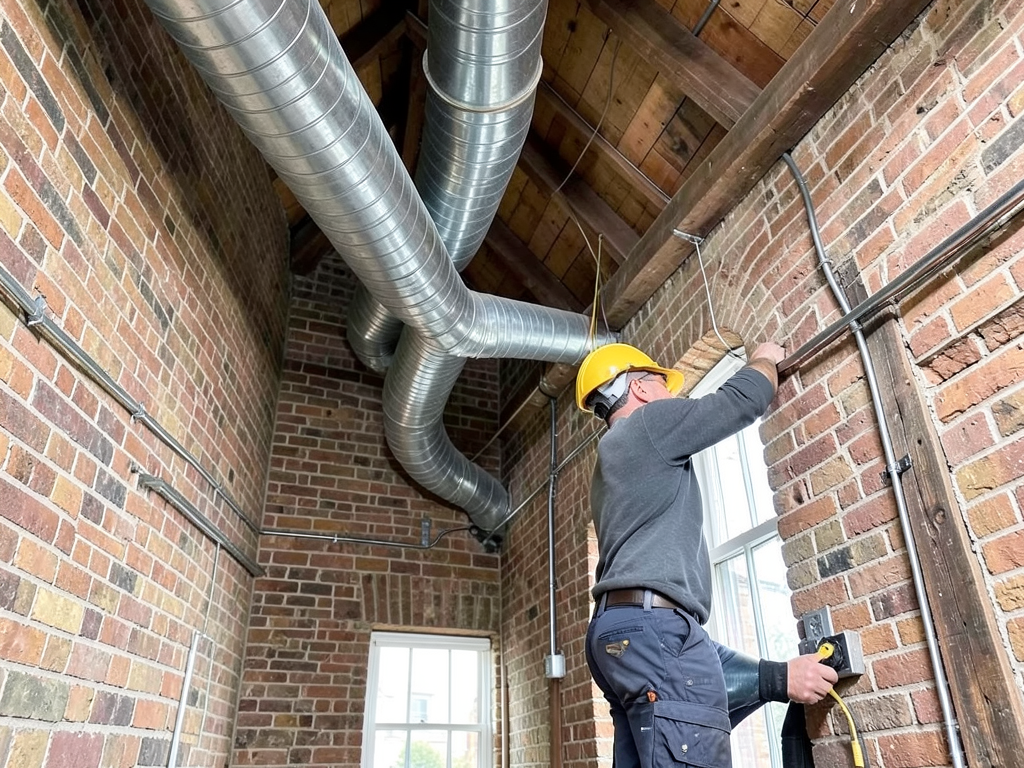
Creative Ways to Hide HVAC Ductwork in a High Ceiling South Kensington Loft Living in…
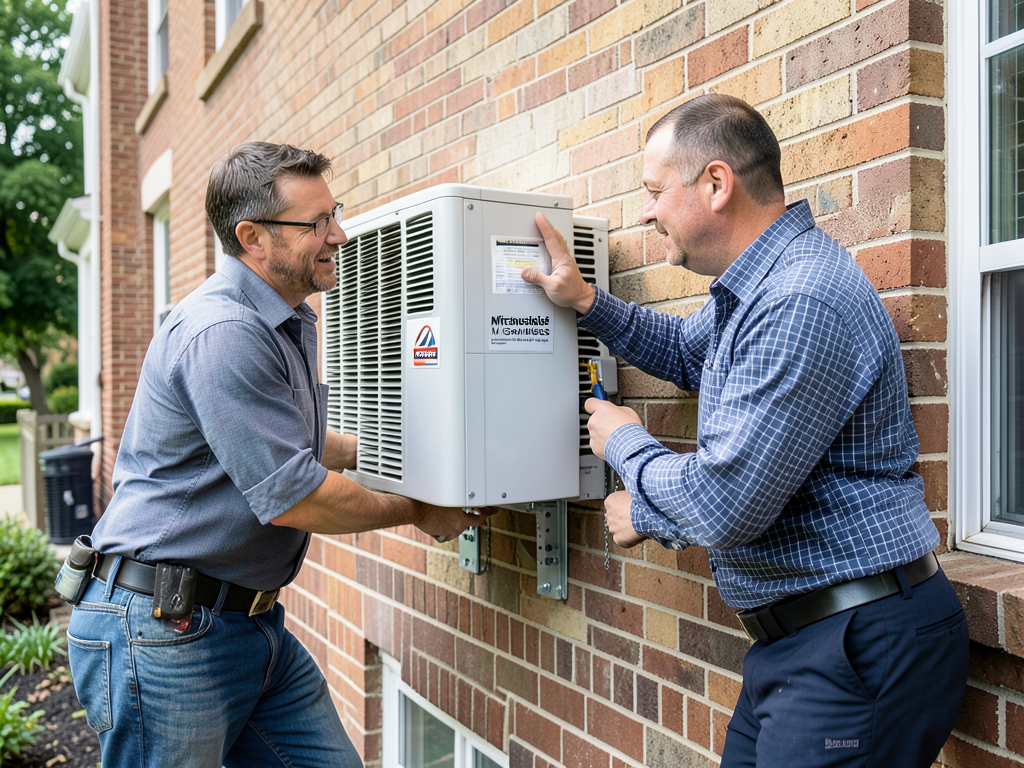
Picking a Whisper Quiet Heat Pump for Small Backyards in Haddington Living in Haddington means…
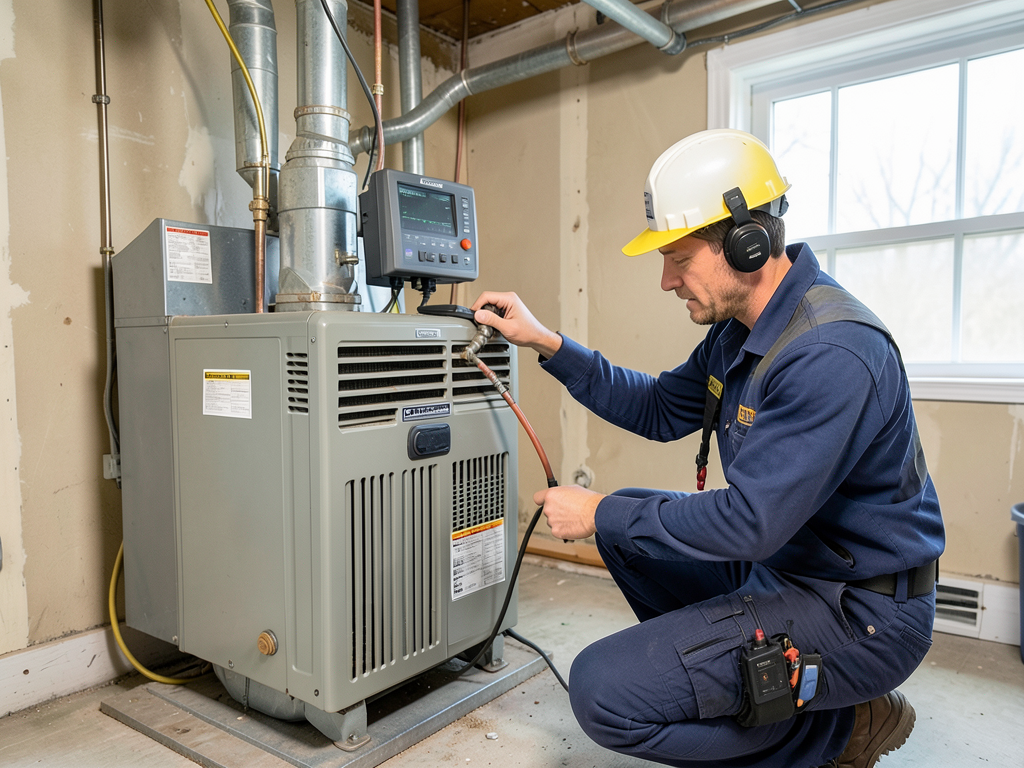
Should You Keep Repairing or Just Replace That 15 Year Old Furnace in Your Bustleton…
Your comfort can't wait. Call Elite HVAC Philadelphia now at (215) 610-9099 for immediate dispatch. We answer emergency calls 24/7 and schedule service appointments at your convenience. Our certified technicians arrive prepared to diagnose and repair your heating or cooling problem right the first time.